Falmouth’s Not so Foul Mouth

FacebookGoogle+TwitterLinkedInEmailPinterestDiggReddit

Its name sounds like a naughty school child (but with a hard T at the end).

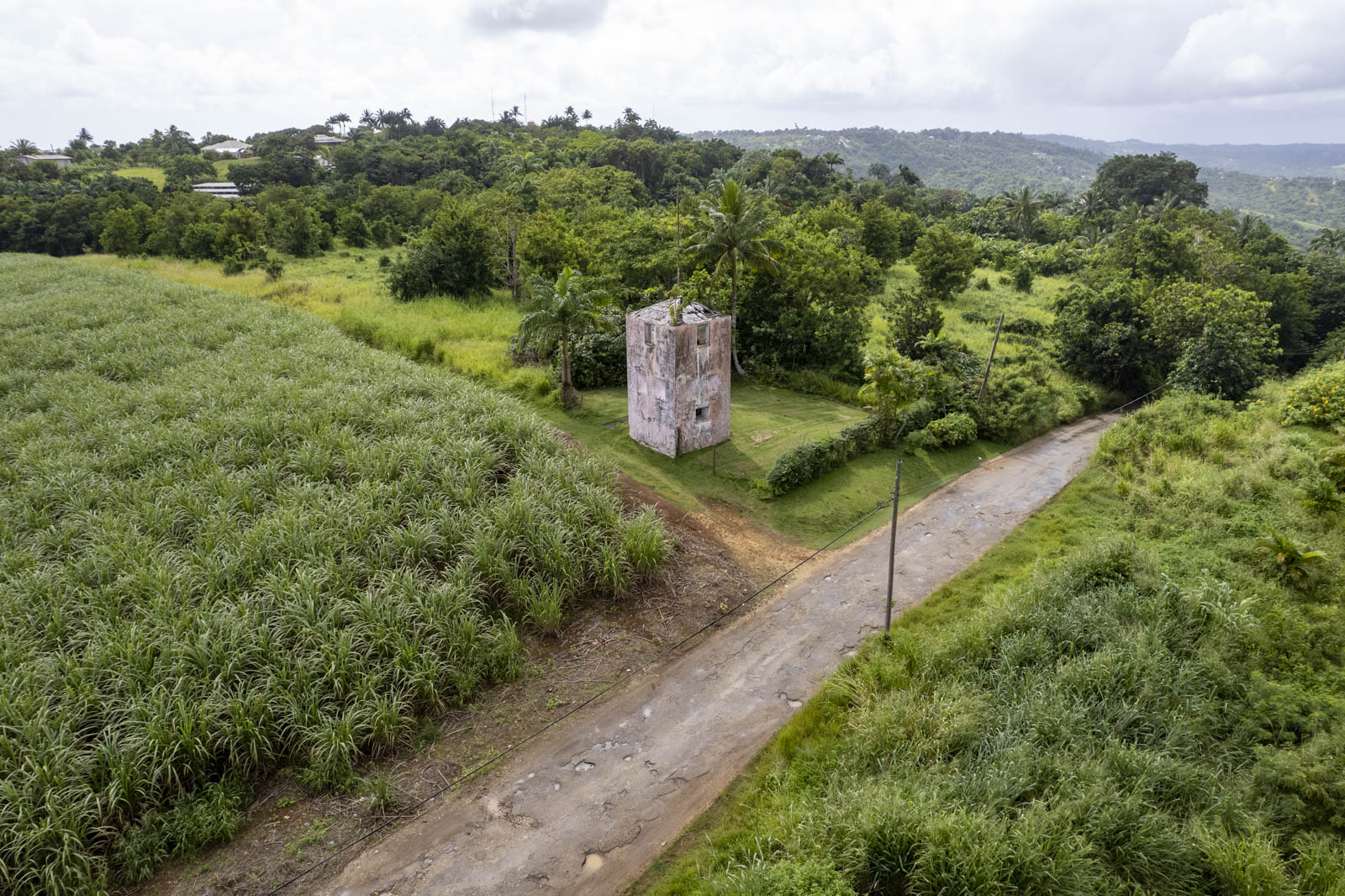
Time-worn cobblestones line the streets of this historic Jamaican port town founded in 1769 and named after the similarly named English town in Cornwall.

For years, Falmouth served as the epicenter of Jamaican sugar cane production and due to its commercial success and accessible port, a hub of the slave-trade.

The bustling port town began a slow decline in 1840 when the British Empire outlawed slavery and much of its laborers and commercial interests departed.

Today, the town’s colonnaded Georgian architecture still stands, surrounding a cobble stone square while a few blocks away rests one of Jamaica’s oldest churches (which I’ll be posting images shortly).

Tourists, fresh off the cruise ship from the nearby port, wander the town’s sleepy streets swatting away friendly hustlers (total oxymoron, but so true in Jamaica).

Despite that, Falmouth’s a worthwhile day trip from nearby Montego Bay and a close jumping off point to explore one of the most amazing places in Jamaica, the Luminous Lagoon.


FacebookGoogle+TwitterLinkedInEmailPinterestDiggReddit

Stepping Off the Jamaican Resort

FacebookGoogle+TwitterLinkedInEmailPinterestDiggReddit

Everybody said: “Don’t go,” “Don’t do it,” “It’s too dangerous.”

“It’s not safe. I’m scared for you,” echoed in my mind as we exited Jamaica’s Montego Bay international airport and brushed by the taxi drivers looking to make a quick buck.

Everyone could not have been more wrong. The people were incredibly friendly (even the hustlers), helpful, and most surprisingly, honest. Across the board, prices were the same for me, the tourist, as for the Patois rapping Jamaican.

At the height of the season, Montego Bay, a tourist-clogged resort town on Jamaica’s north cost bumps with nightclub’s rooty beats and swills of Jamaican run. Off season, it slows down to an almost Jamaican dub step.

Rather than stay in the throng of tourists (that surprisingly were not around) we stayed a bit outside of town in Mount Salem, easily accessible by a shared Route Taxi, but easy to get to the center and surrounded by small houses carved into patches of jungle.

The people were friendly, food cheap and delicious and a perfect introduction to the airey island of Jamaica.

FacebookGoogle+TwitterLinkedInEmailPinterestDiggReddit

Risky Business(men)?

FacebookGoogle+TwitterLinkedInEmailPinterestDiggReddit


Maybe, maybe not, but these guys all have interesting faces.

These early morning gentlemen were hanging about the Rickshaw yard waiting for the morning chill to pass.

Stay tuned for photos…from Jamaica, where i’m heading later this week!


FacebookGoogle+TwitterLinkedInEmailPinterestDiggReddit

The Big Picture

FacebookGoogle+TwitterLinkedInEmailPinterestDiggReddit

I was riding my bike through the streets of Manhattan the other day and thought: “Holy crap, this is nuts.”

New York streets are chaos.

I’d never really noticed before how anarchic the pedestrians (and bikers) are in this city.

Street lights and stop lights are totally optional and people absentmindedly, even brazenly ignore traffic signals.

It’s not uncommon to watch people walk in front of oncoming cars or bikers swerve through traffic like a hopped-up snake.

But this is NYC, not Dhaka.

The end (or beginning) of a busy Dhakan day looks a bit like the below photo.

Which brings me back to a New York livery stand, except with bicycle rickshaws (which NYC has these days), auto rickshaws (not yet, but maybe some day), cars, and mini busses waiting to spirit the weary traveler home.

FacebookGoogle+TwitterLinkedInEmailPinterestDiggReddit

Official Business: Faces of the Rickshaw Yard

FacebookGoogle+TwitterLinkedInEmailPinterestDiggReddit

Heading to the office seemed to take on new meaning at the Dhakan rickshaw yard.

The packed dirt ground was covered in trash and slick with maroon betel nut stains, the Bangladeshi equivalent of chewing tobacco.

Animal, children and men wandered around the yard while others drank chai (tea), talked and passed the time, waiting for the thin morning chill to pass.

Check out the below photos and and stay tuned for the next batch posting Thursday.

FacebookGoogle+TwitterLinkedInEmailPinterestDiggReddit

Helping Hands in Trike Town

FacebookGoogle+TwitterLinkedInEmailPinterestDiggReddit


Not everybody in the Rickshaw yard trikes around town.

A support staff of mechanics. vendors and hangers-on orbit the rickshaw universe, providing much needed services (like a caffeine or flat-tire fix).

A while back I posted a photo of an overloaded rickshaw whose frame had snapped in half, a site not common, but definitely a risk of the trade.

Lucky for the for the rickshaw yard workers, this would be the perfect opportunity to earn their keep and keep the rickshaw riders rolling down the road.

FacebookGoogle+TwitterLinkedInEmailPinterestDiggReddit

Pedal Power: Dhaka’s Rickshaw Runners – Part 2

FacebookGoogle+TwitterLinkedInEmailPinterestDiggReddit

Rickshaw drivers don’t mess around, but how can they when a diesel spewing bus is barreling down on them? An all too common site in Bangladesh.

The rule of the Bangladeshi road: the biggest vehicle wins; cars, motorcycles and especially bicycle rickshaws swerve out of the way whenever a game of chicken boils on any given sweltering Dhakan day.

Think driving a rickshaw is an intense experience? Try riding in one!

FacebookGoogle+TwitterLinkedInEmailPinterestDiggReddit

Pedal Power: Dhaka’s Rickshaw Runners – Part 1

FacebookGoogle+TwitterLinkedInEmailPinterestDiggReddit


I’d just finished taking photos for The School of  Hope, a slum school in Dhaka’s northern edge, when I stumbled upon it.

A gaggle of bicycle rickshaws, crowded inside a rusted and drooping barbed wire fence baking in the early morning sun.

The livery was bustling with drivers, mechanics, shop keepers, and even children (I’m guessing at work with their parent) preparing to start the days pedaling.

Rickshaws (both auto and bicycle) are one of the most common forms of transportation in Dhaka, whose drivers spend countless hours shuttling passengers around the city.

The drivers are known for their intrepidness (maybe craziness) and garish sense of style.

Bangladeshi bicycle rickshaws are decked out in a cacophony colors, streamers, bells, and more often than not, a jumble of bicycle parts welded to construction materials like rebar and metal plates.

These guys (they’re all men) have ripped calves, as you can imagine, from riding for 12+ hours a day and grizzled, road weary faces…check out photos below and stay tuned for more photos of rickshaw drivers and the mechanics and shop keepers who keep these guys caffeinated and rolling.


FacebookGoogle+TwitterLinkedInEmailPinterestDiggReddit

Night in the Neighborhood

FacebookGoogle+TwitterLinkedInEmailPinterestDiggReddit


A few blocks from my apartment a busy artery beats.

At night, watching the BQE’s traffic is like witnessing arterial and ventricular blood flow through the Brooklyn darkness. Through the neighborhood’s organs and clamoring with honks and air breaks to remind us all we’re still never alone in this cacophonous body.


FacebookGoogle+TwitterLinkedInEmailPinterestDiggReddit

Powered by Sweat

FacebookGoogle+TwitterLinkedInEmailPinterestDiggReddit


In Mrauk U, the tiny agrarian town in Western Burma, villages and temples and ancient ruins intermingle amidst the encroaching jungle.

Animal and pedal-power continues to propel trade and commerce despite the steady introduction of cars and motorized vehicles.

Somehow, watching the Eco-friendly, yet arduous labor resonates in a humbling and quieting way – where life’s simplicity and beauty blend into the perfect pastoral harmony.


FacebookGoogle+TwitterLinkedInEmailPinterestDiggReddit